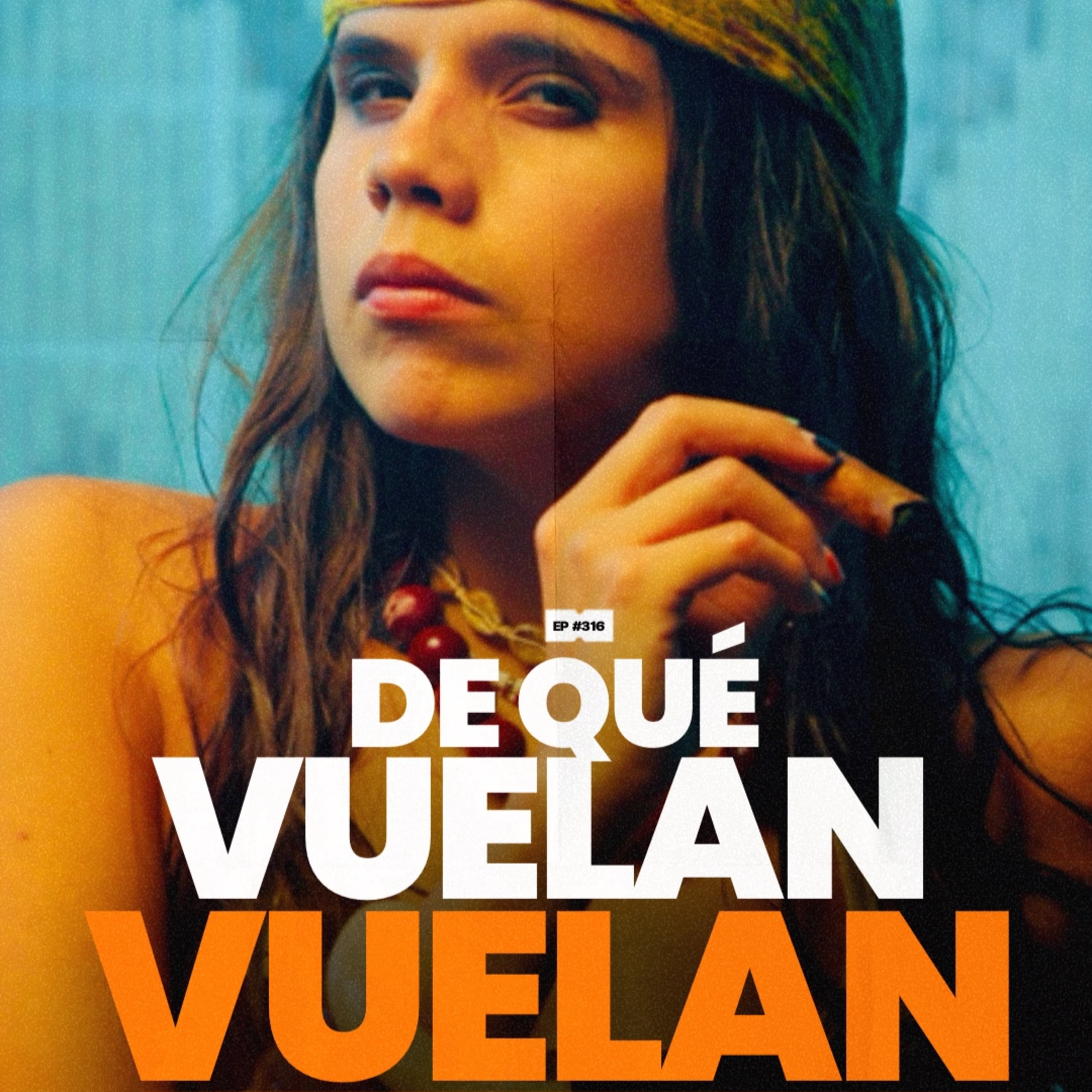
What happens when comedy meets the magical beliefs of a culture? In Venezuelan humor, the absurdity of faith intertwines with laughter, revealing a rich tapestry of beliefs that shape everyday life.
In this engaging exploration, we delve into the concept of magical thinking in Venezuela, where spirituality blends with humor. Venezuelans often consult spirits and delve into the supernatural, creating comedic scenarios that highlight the quirks and eccentricities of their beliefs.
From the playful banter about Michael Jackson's spirit helping with infidelity questions to the hilarious skepticism about rituals, the comedic narrative showcases how these mystical elements are part of the everyday conversation. The laughter comes from recognizing the absurdity and contradictions inherent in these beliefs, creating humor that resonates deeply with the audience.
The Comedic Rituals of Belief
In Venezuela, the intersection of faith and comedy creates a unique atmosphere. The podcast episode humorously portrays a scene where someone consults spirits about infidelity. The skepticism displayed towards the medium, who channels Michael Jackson, illustrates a comedic critique of relying on the supernatural for personal issues.
"¿Cómo me va a ayudar Michael Jackson a mí?"
De que vuelan, vuelan | 316"
This question not only highlights the absurdity of the situation but also showcases the cultural nuances of how Venezuelans view spirituality and comedy as intertwined.
The dialogue continues with characters debating the efficacy of spiritual intervention, showcasing a comedic skepticism that resonates with everyday experiences. The interplay between belief and doubt is a fertile ground for humor, as characters navigate their understanding of faith in a lighthearted manner.
Exploring the Absurdities of Faith
The episode dives into the complexities of religious beliefs in Venezuela, where multiple faiths coexist. The comic exploration of Venezuelan magical thinking reveals how humor helps navigate these intricate belief systems. The characters engage in a lively discussion about the various religious practices, from Catholicism to Santería, often poking fun at their own superstitions.
"Es que el mal es de afuera, el mal viene de afuera"
De que vuelan, vuelan | 316"
This line underscores the humorous take on how Venezuelans attribute misfortunes to external supernatural forces rather than personal responsibility. This comedic stance serves as a reflection of societal attitudes towards spirituality and misfortune.