Back to
comedy4 min read

Why We Gesture: The Comedy of Communication in Venezuelan Culture

Explore the humor behind Venezuelan gesturing and body language. Discover how comedy shapes our communication in this lively discussion.

1h 15m

Episode audio

4m

This article

1h 11m

Time you save

Sumly listened to the whole episode and wrote this for you.

The Sumly effect

This article condenses 1h 15m of audio into a 4 min read.

Sumly does this with every episode of your favorite podcasts — AI summaries, key takeaways and personalized notes, delivered automatically.

Start free — 14-day trial

Have you ever noticed how certain cultures seem to communicate through gestures as much as through words? In Venezuelan culture, this is particularly true, and the humor behind it is as vibrant as the gestures themselves.

In this lively exploration of gestural communication, we dive into the cultural significance of body language among Venezuelans. Gestures are more than just complements to speech; they are a fundamental part of how we express ourselves, often leading to humorous misunderstandings, especially when interacting with people from different backgrounds.

What makes this conversation particularly engaging is the way humor emerges from these cultural quirks. As Venezuelans living abroad, the hosts share anecdotes that showcase the unique blend of comedy and communication in their daily lives. They highlight not only the absurdities but also the beauty of expressing oneself through gestures.

The Art of Gesture in Venezuelan Identity

Venezuelans are known for their expressive body language, often using gestures to convey emotions and meanings that words alone cannot capture. Gesticulating is part of our identity, and it often sparks laughter, especially when we encounter people who do not share this cultural trait.

One host recounts a funny situation in a kickboxing class in Mexico, where a simple gesture led to confusion. They realized that while Venezuelans might understand a quick nod or a facial expression, not everyone shares this understanding. This reflects a deeper cultural trait: the ability to communicate effectively through gestures, even when words fail.

"“We are a people of gestures, and when you’re abroad, you realize just how unique this aspect of our culture is.”"

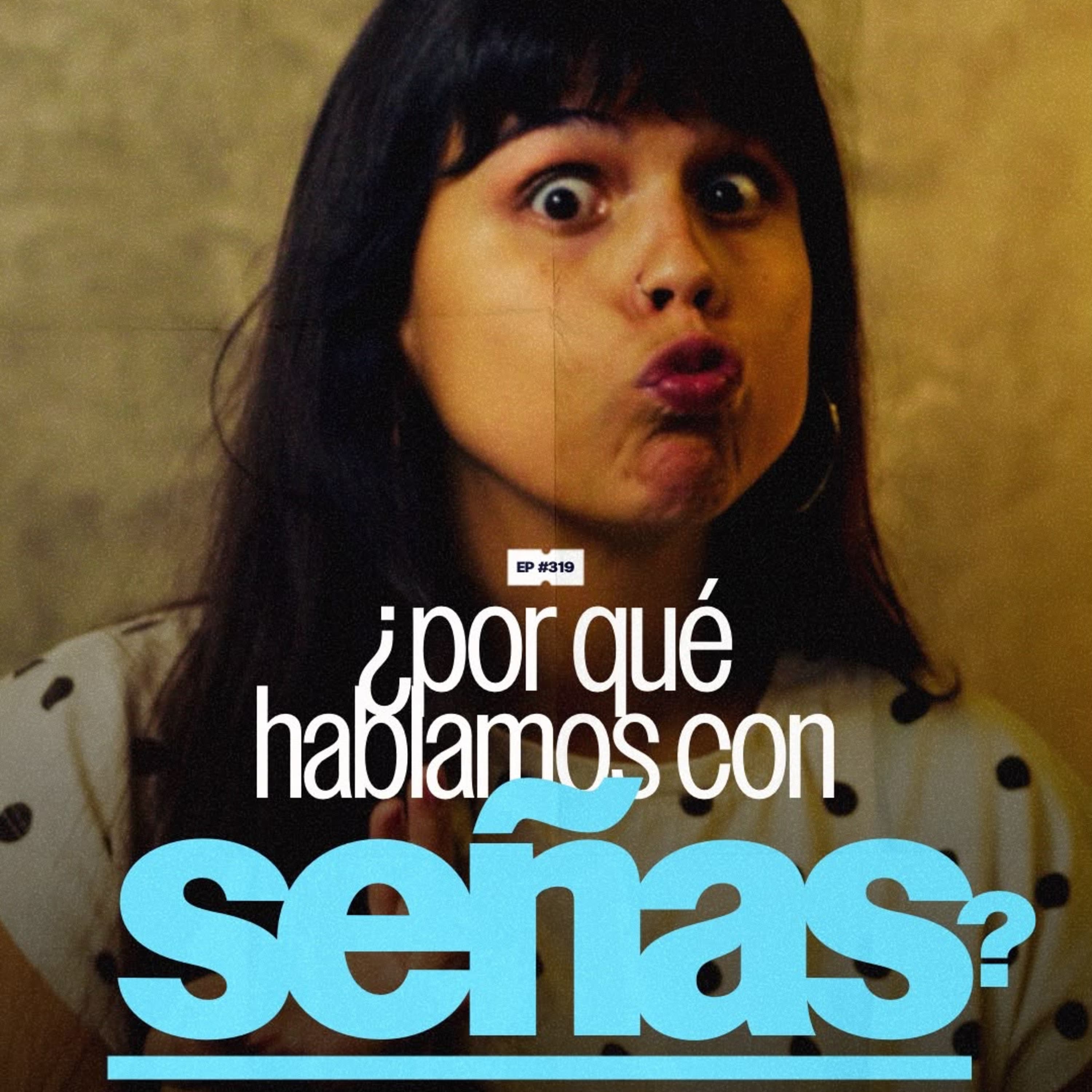
¿Por qué hablamos con señas? | 319

Such moments highlight not only the humor in miscommunication but also the rich tapestry of cultural expressions that define us as Venezuelans.

Gestures and Generational Differences

Interestingly, the hosts also delve into how generational differences influence gestural communication. You can gauge a person's age by their gestures, especially in social settings like photos or casual greetings. Older generations might prefer a more formal approach, while younger people embrace the more expressive, relaxed style.

The conversation takes a humorous turn as they discuss how these generational nuances can lead to funny situations. A younger person might throw up a peace sign in a photo, while an older relative might not understand the context, leading to comic misunderstandings.

"“You can measure a person’s age by how they pose in photos. The older the person, the more likely they are to stand stiffly with their hands at their sides.”"

¿Por qué hablamos con señas? | 319

This kind of playful banter exemplifies how cultural expressions can lead to laughter, revealing deeper insights into how we relate to one another across different age groups.

The Shared Language of Gestures

Another fascinating point raised in the discussion is the idea that gestures can vary widely even within the same culture. Venezuelans might share some similarities with other Latin cultures, but unique nuances make every expression distinct. For example, gestures from the Caribbean region can differ from those in mainland Venezuela, showcasing the diversity within our shared cultural heritage.

As the hosts explore this theme, they highlight how humor can emerge from these differences. They recount funny moments when a gesture intended to be friendly was misinterpreted, leading to awkward but hilarious situations.

"“In Venezuela, a simple nod can mean hello, thank you, or even a subtle insult, depending on how it’s delivered.”"

¿Por qué hablamos con señas? | 319

These humorous anecdotes serve to reinforce the idea that while gestures are a universal language, their meanings can be as varied as the people who use them.

Key Takeaways

  • Gestures are integral to Venezuelan identity: They convey emotions and meanings beyond words.
  • Generational differences matter: How we use gestures can signal our age and cultural background.
  • Humor thrives on miscommunication: Gestures can lead to funny misunderstandings, especially with different cultural contexts.
  • Cultural diversity in gestures: Even within Latin cultures, gestures can vary significantly, adding richness to communication.

Conclusion

This exploration of gestures highlights how they are more than just physical actions; they are a vital part of our cultural identity and communication style. The humor embedded in these expressions not only reflects our Venezuelan spirit but also fosters connection and understanding among people from different backgrounds.

As we navigate a world filled with diverse cultures, it becomes even clearer that laughter and gestures serve as bridges between us, allowing for deeper connections irrespective of language.

Want More Insights?

If you found this exploration of Venezuelan gestures intriguing, there's so much more to uncover. The full discussion dives deeper into the nuances of body language and communication. As discussed in the full episode, you will discover additional layers of humor and cultural commentary that make this topic even richer.

Don't miss out on more engaging content like this. To explore additional insights and cultural commentary, visit Sumly, where we transform compelling discussions into digestible reads.

Ask Sumly

Have a question about this article?

Sumly digested the entire episode. Ask anything — key ideas, missing context, what the guest really meant.

Try asking

1 free question per day — no account needed.

Free to start

Enjoying this article?

Get AI-generated summaries from this podcast and thousands more — before your queue buries them.

Create free account