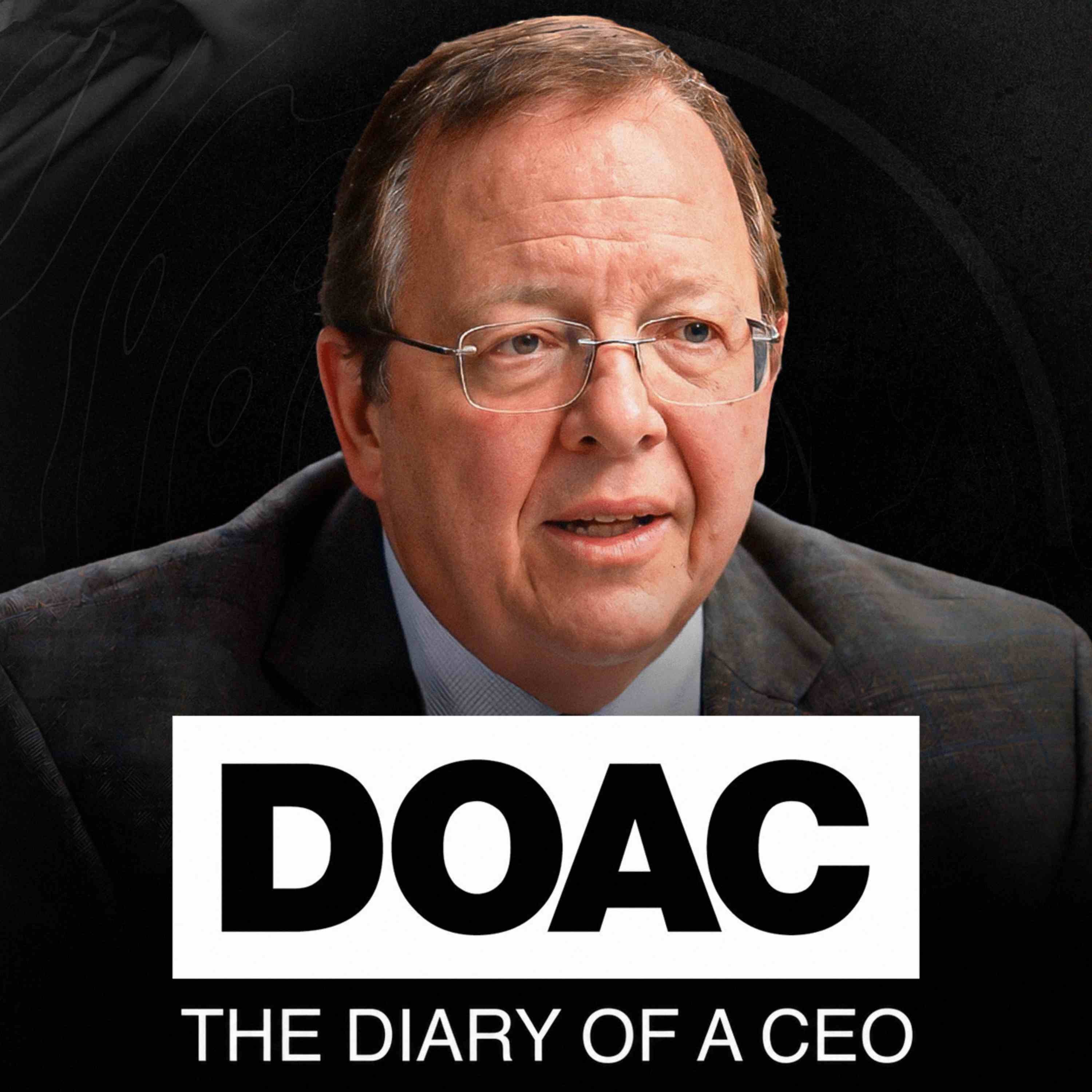
In an era marked by political unrest and global conflict, understanding the dynamics of power and violence is imperative for lifelong learners. Education plays a crucial role in equipping individuals with the necessary tools to navigate these complex landscapes.
The insights shared by political scientist Robert Pape highlight the intricate relationship between political violence and public sentiment. As we delve into this topic, we will explore the educational implications of these dynamics and how they can inform our understanding of civic responsibility and engagement.
Education is not merely about acquiring knowledge; it is about fostering critical thinking, resilience, and an understanding of the socio-political environment. As the world faces escalating tensions, the need for informed citizens has never been greater.
The Role of Education in Understanding Political Violence
Political violence is not an isolated phenomenon; it is deeply rooted in historical context and societal structures. Pape's extensive research emphasizes the importance of historical education in understanding contemporary issues. Without a solid grasp of history, individuals may fail to recognize repeating patterns and the consequences of political decisions.
Educational institutions must prioritize curricula that include critical analysis of political events and their ramifications. By engaging students in discussions around political violence and power transitions, educators can foster a deeper understanding of civic responsibility.
"Education is the most powerful weapon which you can use to change the world." - Nelson Mandela"
Iran War Expert: If This Escalation Continues, 2027 Will Be Devastating! | Prof Robert Pape
This quote underscores the transformative power of education. As students learn about the historical context of political violence, they can better analyze current events and, ultimately, become more engaged citizens.
Learning from Crisis: Preparing for Future Challenges
Pape warns that the coming months may be among the most dangerous in recent history. This serves as a reminder of the unpredictability of political landscapes and the necessity for preparedness. Education should not only focus on theoretical understanding but also practical applications.
Institutions can cultivate resilience by teaching students how to critically assess information, recognize misinformation, and respond to crises effectively. This includes understanding the implications of political decisions on global stability and personal safety.
"In the midst of chaos, there is also opportunity." - Sun Tzu"
Iran War Expert: If This Escalation Continues, 2027 Will Be Devastating! | Prof Robert Pape
This perspective encourages students to view challenges as opportunities for growth and learning. By fostering a mindset that embraces challenges, educational systems can prepare individuals to respond effectively to future crises.