Back to
education4 min read

Quitting is Not Failing: Seth Godin on Education and Personal Growth

Explore Seth Godin's insights on education, quitting, and personal growth. Learn how to recognize when to pivot and embrace new opportunities.

1h 53m

Episode audio

4m

This article

1h 49m

Time you save

Sumly listened to the whole episode and wrote this for you.

The Sumly effect

This article condenses 1h 53m of audio into a 4 min read.

Sumly does this with every episode of your favorite podcasts — AI summaries, key takeaways and personalized notes, delivered automatically.

Start free — 14-day trial

In a world where success is often equated with perseverance, the notion of quitting is frequently viewed as failure. Yet, what if quitting can be a powerful tool for education and personal growth? This perspective offers a refreshing lens through which we can re-evaluate our paths and decisions.

Seth Godin, a prominent figure in the world of education and personal development, challenges conventional thinking about quitting. He emphasizes that understanding when to let go is crucial for progress. In his discussions, Godin invites us to explore deeper questions about our motivations, our goals, and the systems that bind us.

At the heart of this dialogue lies a significant theme: the importance of recognizing our own potential and the barriers that may prevent us from achieving our dreams. As Godin suggests, "problems are opportunities," and identifying these problems is key to unlocking our potential.

The Power of Quitting in Education

Many of us have been conditioned to believe that quitting is synonymous with failure. However, Godin argues that quitting can be a strategic decision that leads us to more fulfilling paths. In the educational journey, students often feel pressure to stick with subjects or courses that do not resonate with their true interests or strengths.

Godin presents a compelling analogy involving a donkey trapped between a pile of carrots and a bucket of water. The donkey, unable to choose one over the other, ultimately starves. This scenario illustrates how indecision and fear of losing out can keep us stuck. In education, students may find themselves in similar situations, paralyzed by choice or fear of judgment.

"“I want to run the marathon, but I don’t want to get tired.”"

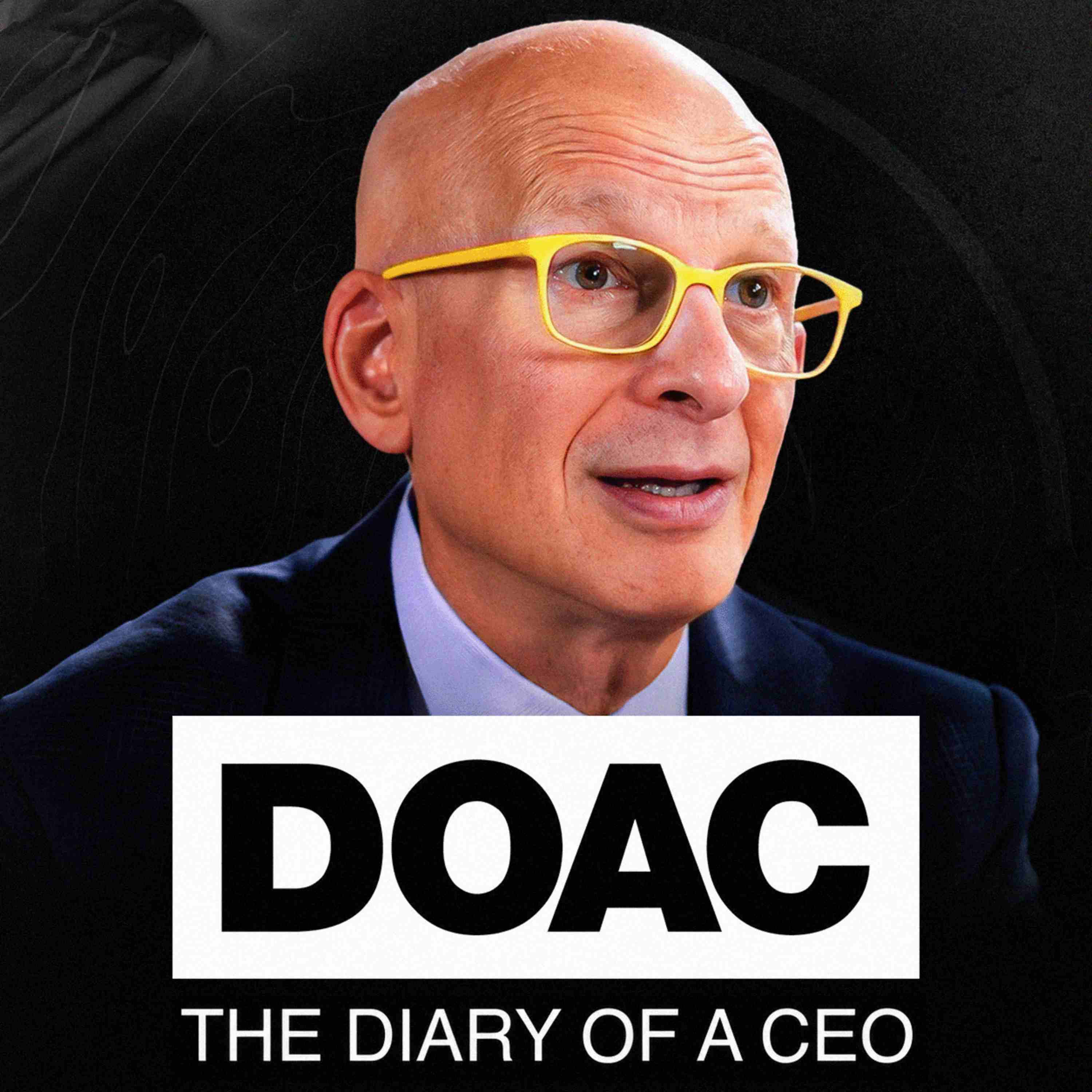
The Quitting Expert: Sunk Costs Are Keeping You TRAPPED, Quit Before AI Comes! | Seth Godin

Godin encourages us to confront these "buts" in our lives. By acknowledging the barriers that hold us back, we can make more informed decisions about our educational paths, leading to greater fulfillment and success.

Understanding Systems and Personal Growth

In examining our educational experiences, Godin highlights the systems that often dictate our choices. The "college industrial complex," for instance, can lead students to pursue degrees that may not align with their passions or future goals. Instead of blindly following these systems, students should critically assess their motivations and the purpose behind their educational pursuits.

This leads to the crucial question: Who are you serving with your educational choices? By identifying the audience for your work or the goals you wish to achieve, you can better navigate your educational journey. Godin emphasizes that understanding this dynamic can help clarify your purpose and enable you to make choices that align with your true self.

"“What is the change you seek to make with the next cycle of your effort?”"

The Quitting Expert: Sunk Costs Are Keeping You TRAPPED, Quit Before AI Comes! | Seth Godin

This question serves as a powerful reflection for students and lifelong learners alike. It prompts us to think critically about our actions and their alignment with our broader aspirations.

The Role of Resistance in Education

Resistance often manifests in various forms, preventing us from taking meaningful actions toward our educational goals. Godin points out that understanding and naming this resistance is a vital step in overcoming it. For instance, fear of judgment or embarrassment can deter students from sharing their ideas or pursuing their passions.

By naming these feelings, students can begin to dismantle the barriers that hold them back. Godin illustrates this with the example of a writer facing self-doubt. Instead of succumbing to fear, they can embrace the process of writing as a form of growth and exploration.

"“You can’t make resistance go away, but you can dance with it.”"

The Quitting Expert: Sunk Costs Are Keeping You TRAPPED, Quit Before AI Comes! | Seth Godin

This idea encourages us to engage with our fears, transforming them from obstacles into stepping stones towards success.

Key Takeaways

  • Quitting can lead to growth: Recognizing when to let go is essential for personal development and success.
  • Identify your audience: Understanding who you are serving with your educational choices clarifies your purpose.
  • Name your resistance: Acknowledging and confronting resistance allows for more meaningful engagement in your learning process.

Conclusion

In the journey of education and personal growth, embracing the concepts of quitting and understanding our motivations can lead to profound transformations. As we navigate the complexities of our paths, let us remember that problems are not merely obstacles but opportunities for growth.

By approaching our educational experiences with a mindset of curiosity and reflection, we can unlock new possibilities and redefine our definitions of success.

Want More Insights?

For those looking to delve deeper into the themes of quitting and personal growth, exploring the full conversation with Seth Godin offers a wealth of insights. As discussed in the full episode, the nuances of these concepts can significantly impact your educational journey.

To discover more valuable insights like these, check out other podcast summaries on Sumly. We transform extensive podcast content into actionable insights that you can digest in minutes.

Ask Sumly

Have a question about this article?

Sumly digested the entire episode. Ask anything — key ideas, missing context, what the guest really meant.

Try asking

1 free question per day — no account needed.

Free to start

Enjoying this article?

Get AI-generated summaries from this podcast and thousands more — before your queue buries them.

Create free account