Back to
marketing3 min read

Transforming Marketing with AI: Insights from Geoff Woods

Discover how AI can reshape your marketing strategy with insights from Geoff Woods, author of The AI Driven Leader.

19m

Episode audio

3m

This article

16m

Time you save

Sumly listened to the whole episode and wrote this for you.

The Sumly effect

This article condenses 19m of audio into a 3 min read.

Sumly does this with every episode of your favorite podcasts — AI summaries, key takeaways and personalized notes, delivered automatically.

Start free — 14-day trial

In the rapidly evolving landscape of marketing, leveraging AI effectively can be the difference between stagnation and success. As AI technology becomes increasingly accessible, understanding how to integrate it into marketing strategies is essential.

Geoff Woods, author of The AI Driven Leader, emphasizes a shift in mindset regarding AI use in businesses. Rather than viewing AI as a mere tool for automating tasks, it should be seen as a partner that can elevate strategic thinking and drive growth. This article explores the key insights shared by Woods, focusing on how marketers can harness AI for a competitive edge.

Redefining AI's Role in Marketing

Many marketers initially approach AI with the intent of streamlining processes, such as content creation or customer engagement. However, Woods suggests that this perspective is limiting. Instead, he advocates for using AI as a strategic partner capable of addressing complex business challenges.

Woods introduces the concept of focusing on the 20% of tasks that yield 80% of results. This principle, known as the Pareto Principle, encourages marketers to prioritize high-impact initiatives over mundane tasks. By identifying critical problems or opportunities and leveraging AI to address them, businesses can unlock new levels of growth.

"If it does not hit that, I don't touch it. Because you can spend a lifetime majoring in the minors."

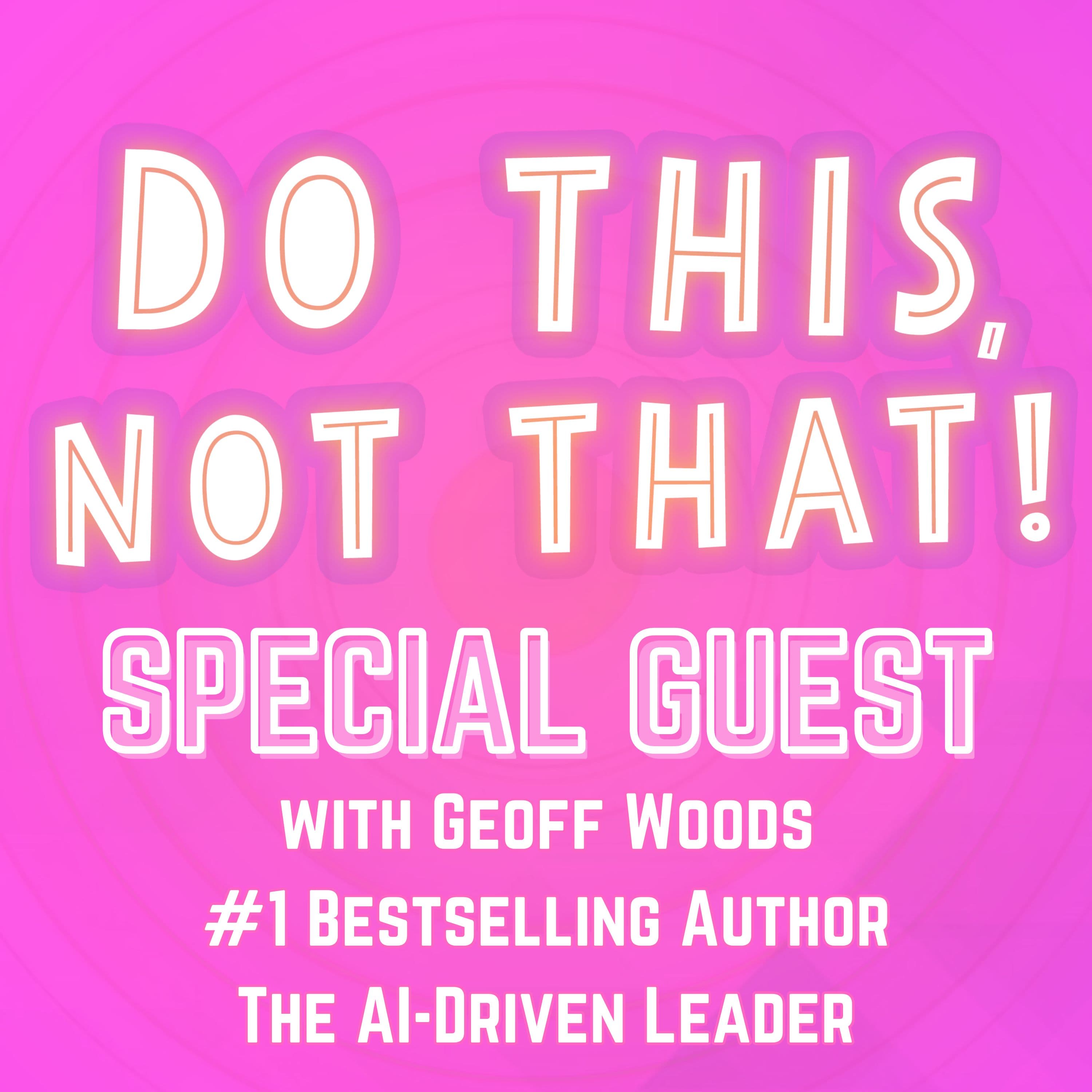
SPECIAL GUEST!! Geoff Woods 🤯 You're Prompting AI Wrong | Ep. 551"

This approach necessitates a deep understanding of one’s business context and the strategic questions that drive growth. Woods challenges marketers to think beyond basic applications of AI, urging them to consider how AI can facilitate transformative change.

Implementing the CRIT Framework

Woods shares a practical framework called CRIT, which stands for Context, Role, Interview, and Task. This framework empowers marketers to engage AI in a more meaningful way:

  • Context: Provide AI with comprehensive background information about your business situation.
  • Role: Define the role you want AI to play, simulating expertise relevant to your query.
  • Interview: Instead of asking AI questions, let it question you to extract deeper insights.
  • Task: Clearly outline what you want AI to accomplish with the gathered context.

This structured interaction not only enhances the quality of the output but also helps marketers articulate their strategic needs more effectively. For instance, a CEO facing financial restructuring can utilize the CRIT framework to engage AI in exploring innovative solutions.

Overcoming Reluctance to Share Information

One common concern among marketers is the hesitation to share sensitive data with AI platforms. Woods emphasizes the importance of educating users about data privacy and security. He delineates between models that train on proprietary data and those that don’t, urging businesses to choose platforms that respect confidentiality.

"What they're referring to, it's called training on your data. It does not mean if you upload your financial statements, suddenly your competition can ask ChatGPT for your financials."

SPECIAL GUEST!! Geoff Woods 🤯 You're Prompting AI Wrong | Ep. 551"

By demystifying the technology and clarifying its capabilities, marketers can become more comfortable utilizing AI as a strategic ally.

Key Takeaways

  • Embrace AI as a Strategic Partner: Shift your perspective from using AI as a task executor to a collaborator in strategic thinking.
  • Focus on High-Impact Use Cases: Identify the 20% of challenges that can drive 80% of your growth results.
  • Utilize the CRIT Framework: Engage AI effectively by providing context, defining roles, and allowing AI to question you.
  • Educate on Data Privacy: Address concerns about data sharing by understanding the implications of AI training on proprietary information.

Conclusion

The integration of AI into marketing strategies is not just a trend; it is a necessity for businesses aiming to thrive in a competitive landscape. By adopting a strategic mindset and utilizing frameworks like CRIT, marketers can unlock the full potential of AI to drive transformative growth.

As the business environment continues to evolve, those who embrace AI thoughtfully will be well-positioned to lead their industries.

Want More Insights?

For a deeper dive into these transformative insights, explore the full conversation with Geoff Woods. As discussed in the full episode, there are additional nuances and strategies that can help reshape your approach to marketing with AI.

To discover more actionable insights like this, check out other podcast summaries on Sumly. We transform hours of content into digestible insights that can elevate your business strategies.

Ask Sumly

Have a question about this article?

Sumly digested the entire episode. Ask anything — key ideas, missing context, what the guest really meant.

Try asking

1 free question per day — no account needed.

Free to start

Enjoying this article?

Get AI-generated summaries from this podcast and thousands more — before your queue buries them.

Create free account