The advent of artificial intelligence is not merely a technological revolution; it's a philosophical one that challenges our very understanding of existence, intelligence, and the future of humanity. Jensen Huang, CEO of NVIDIA, articulates these profound implications in a recent discussion that delves into the essence of AI and its transformative power.
As the leader of a company valued at $4 trillion, Huang's insights extend beyond the technical capabilities of GPUs and AI systems. They tap into the philosophical questions that arise as we integrate these technologies into our daily lives. Huang posits that AI's evolution challenges our conceptions of intelligence, creativity, and even morality, presenting a unique opportunity for philosophical inquiry.
The Nature of Intelligence
Huang emphasizes that intelligence is not a static trait but rather a dynamic quality that continuously evolves. He suggests that AI systems, particularly large language models, represent a new frontier in understanding intelligence. These systems do not merely replicate human thought; they enhance it, creating a hybrid intelligence that could redefine our roles as creators and thinkers.
In exploring this theme, Huang notes the importance of synthetic data in training AI models. He argues that as AI becomes increasingly capable of generating its own data, the boundaries between human and machine knowledge blur. This raises critical questions: What does it mean to know something? If a machine can synthesize knowledge, how do we value human experience and understanding?
"The future of intelligence is not just about computing power; it's about how we integrate and interpret that power in the context of human experience."
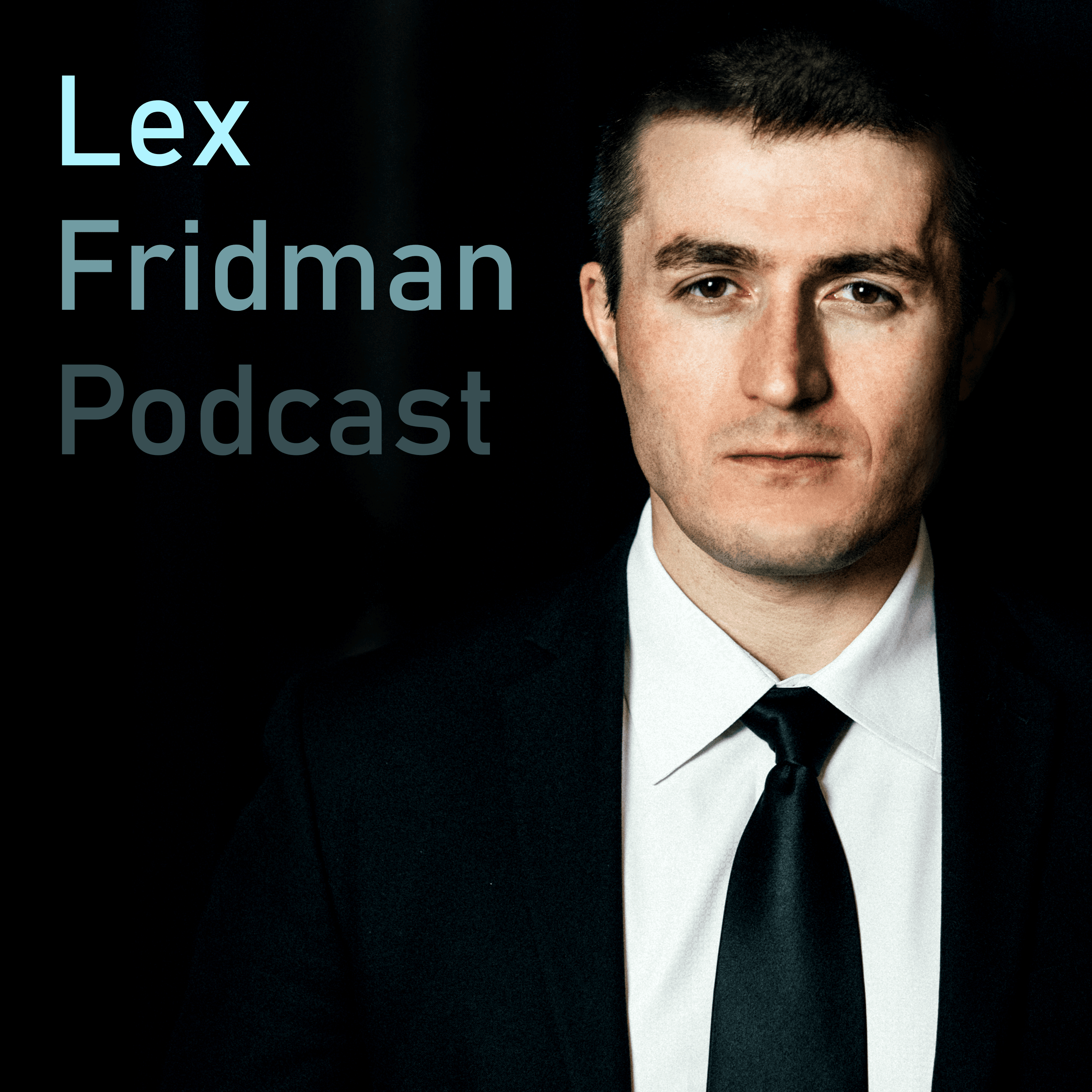
#494 – Jensen Huang: NVIDIA – The $4 Trillion Company & the AI Revolution
AI as a Reflection of Humanity
Huang's discussion also touches on the ethical implications of AI development. He asserts that AI systems mirror the values and biases of their creators, bringing forth a significant philosophical dilemma. As we strive to create intelligent systems, we must confront our own biases and the ethical frameworks that guide our decisions. This raises the question: What kind of future are we designing with AI?
This reflection on our values is not merely academic. The decisions made by AI developers today will shape societal norms and expectations for generations. Huang advocates for a conscious approach to AI ethics, urging developers to consider the broader implications of their work on society and culture.